There are several dimensions to creating a successful designed environment… and while lighting is typically not forgotten as one of the contributing factors, it is usually only considered as a single source and not a multi-dimensional element of its own accord. When this happens, the result could be an important design element sent into the shadows or an intended use of space forgotten or deemed ineffective. In order to ensure that a space is functional and appealing, it is important to implement multiple layers of light.
If you were to Google search “Layers of Light” likely three types would populate in your search results: ambient, task, and accent. The combination of these three types, along with a bonus “decorative” type, can have various effects on a space. Depending on how you layer and which types you use, you can…
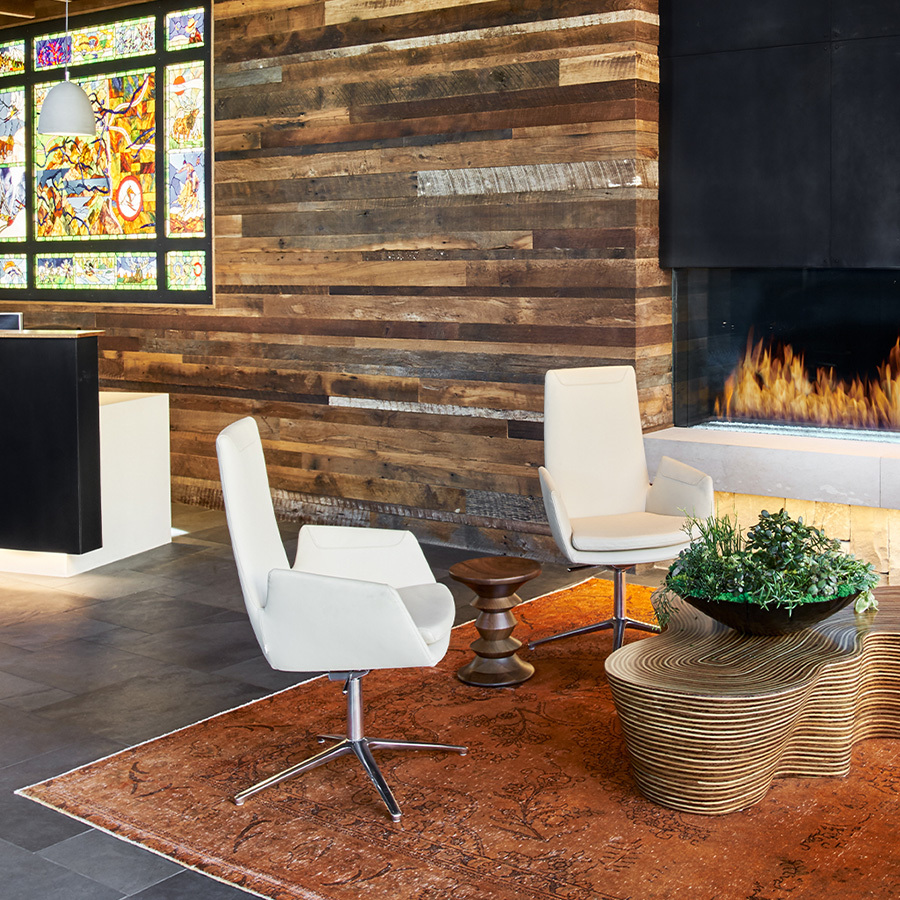
- Create individual or distinct spaces within a single space
- Product a varied / dynamic lighting environment
- Evoke different moods (soften, intimate, energy, excitement) by combining different layers at a single time
- Bring focus to specific areas or object within a space
- Emphasize scale
Instead of defining the specific lighting type or technology that should be used to achieve each layer it is better to understand the approach and then determine the source of lighting desired for each layer.
Ambient or General
- Fundamental layer of light / Basic fill light.
- Comfortable level of light that provides safe movement within space.
- Spacing and selection is key to creating an overall glow.
Task
- Supplementary to ambient.
- Specific location where certain activities are performed, or certain functions of a space are required.
- Reading, writing, vanity, cooking, computer work, etc.
- Minimize glare and shadows for optical health - prevent eyestrain, improve visual clarity.
Accent
- Objective.
- Art, sculpture, architectural features, landscape.
- Adjustable or aimed lighting, wall wash, grazing, concealed or integrated linear lighting, color changing.
- Lighting vertical surfaces helps to bright and expand a space by filling in light where ambient lighting may not be able to reach.
- Highlight by contrast.
- 3:1 as a good rule of thumb. Focal area is 3x brighter than surrounding area.
- The Illuminating Engineering Society (IES) has specific recommendations based on application, material, age of viewer, etc.
Decorative
- Aesthetic, statement
- Fixture or light created is focal point.
- Can change the whole feel of the space by adding a decorative fixture.
There is often overlap amongst lighting sources and their function and contribution to a single light layer or multiple layers. For example, decorative lighting can provide task or ambient light. Consider a single pendant or sconce dropped over a desk, or multiple pendants scattered across a space. Accent lighting can also be decorative, i.e. picture light. While a lighting type may have combined function, it still may not provide sufficient ambient light, which is why it is always important to begin with ambient lighting at a minimum then layer on from there.
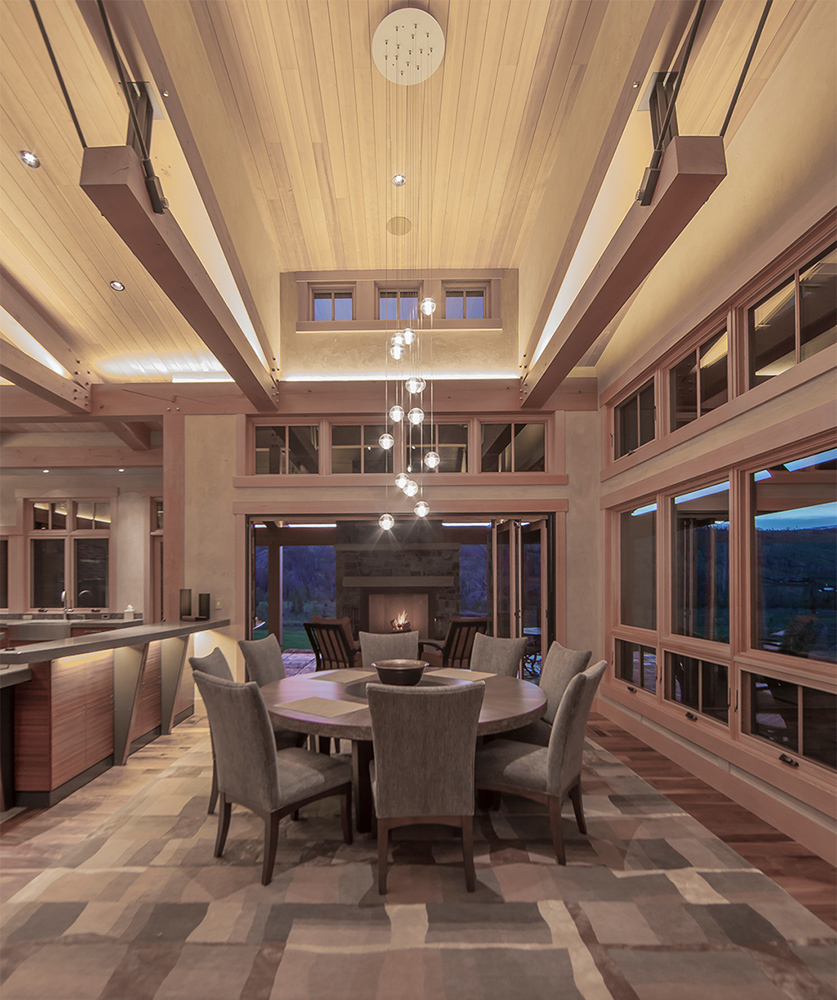
How to effectively and expertly layer light…
- Determine the intended function(s) of the space
- Understand the various moods you want to evoke within the space
- Identify the focal elements of the space
- Consider natural light sources and balance fixture placement and selection
- Be practical with fixture selection, placement, and installation
- Maintain consistency with color temperature
- Select the appropriate level of light output for each layer
- Determine the desired level of control: independent control of each light layer or programmed scenes
In short, a quality lighting environment is one that suits various tastes and functions. Application of lighting layers should be thoughtful and intentional, provoking interest as well as providing useful levels of light for everyday use. While there are several layers of light to use, be careful to only use what is required of the space to achieve the overall desired effect and mood. Happy light layering!